

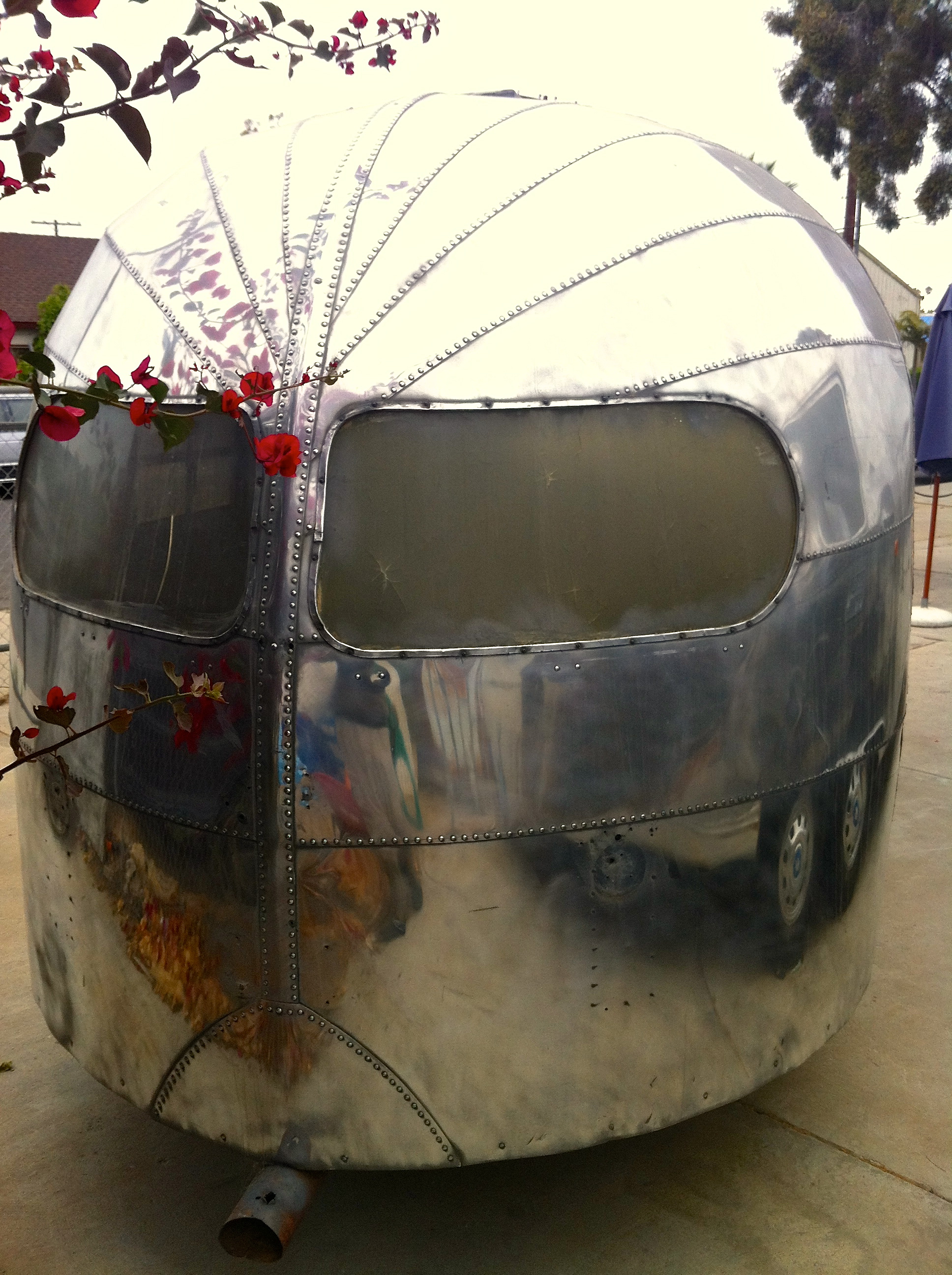
At 65 years of age, this 1947 Curtis Wright Model 5 (CW5) is a very special travel trailer. It sits silently in its Santa Barbara restoration work yard home at Hofmann Architecture. If its silvery walls could speak it would tell a story of how American travel trailers came about. Like a fine wine, it’s aged very well, indeed.
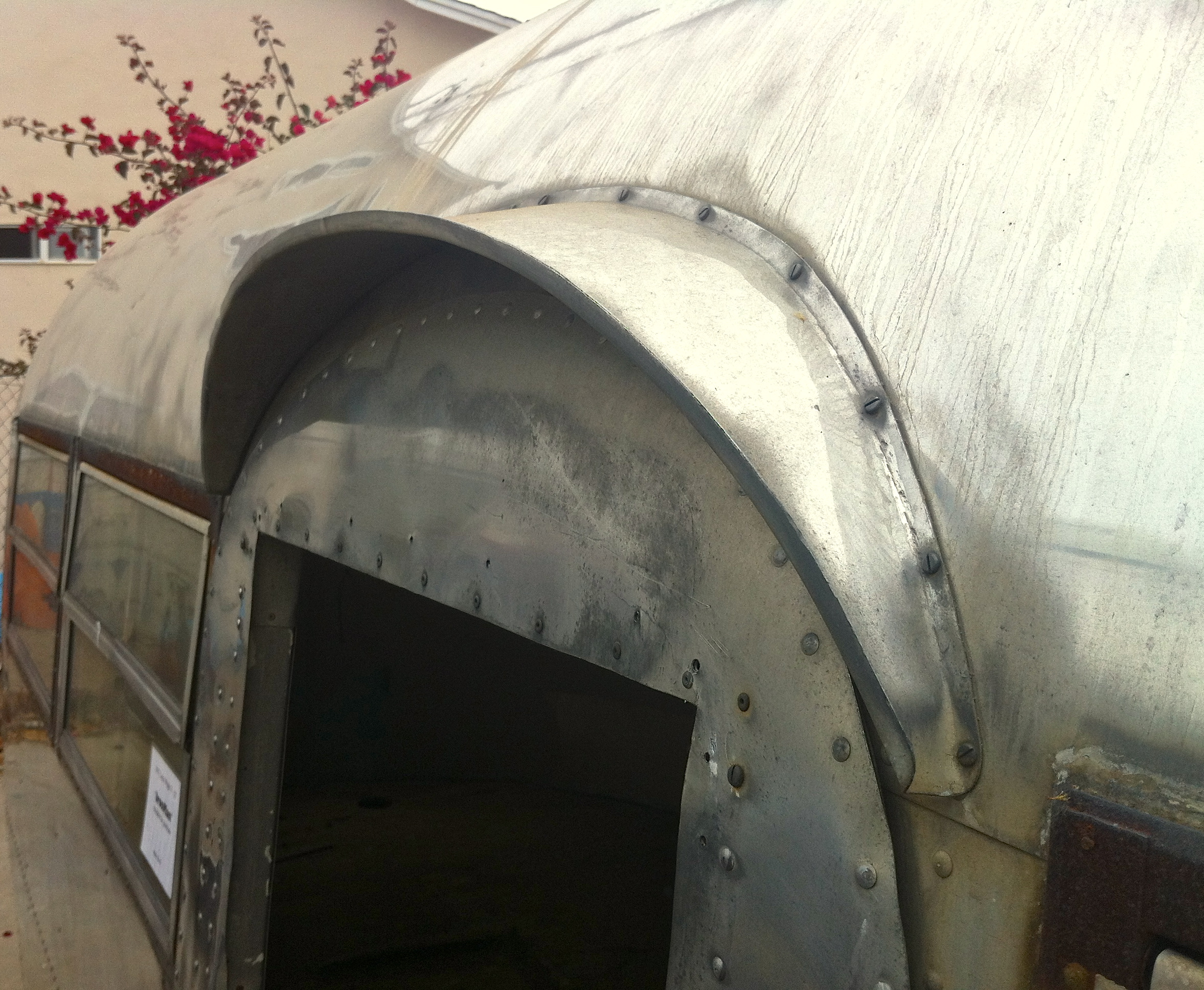
 Aluminum-skinned trailers, such as the CW5 Clipper, originated on the drawing boards of pre-war-era engineers whose designs and construction resembled airplanes. The production lines and tooling were ideal for creating a lightweight, yet strong and durable way to haul one’s gear in tow behind the family station wagon.
Like baseball, hot dogs and apple pie, the travel trailer is an all-American invention. However, digging up the America’s travel trailer roots can be tough going, not only due to the passage of time, but so many of these early drag-alongs look so similar. The community of travel trailer inventors and imaginers was a small one. Most early travel trailers were produced by a tiny nucleus of entrepreneurs, who often worked together, then went their separate ways, only to team up again later. The result was a free-wheeling exchange of ideas, workers, and production techniques.
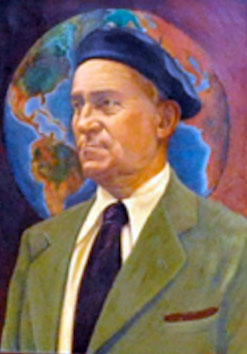
 The most successful and well-known early travel trailer player was Wally Byam who started out his career in magazine advertising and publishing during the Great Depression. As with today’s Recession, America’s Depression-era turmoil ushered in a slew of do-it-yourself careers and creative money-making innovators.
In 1931, Byam decided to build his own caravan, as it was called, to offer Americans an affordable, yet comfortable way to vacation while exploring America’s wonderland. His earliest efforts had him designing and constructing them himself from plywood.
 In 1935, Byam went to work for William Hawley Bowlus who had worked on Charles Lindbergh’s Spirit of St. Louis, the inspiration behind Byam’s riveted, all-aluminum, bullet-shaped trailer coach.
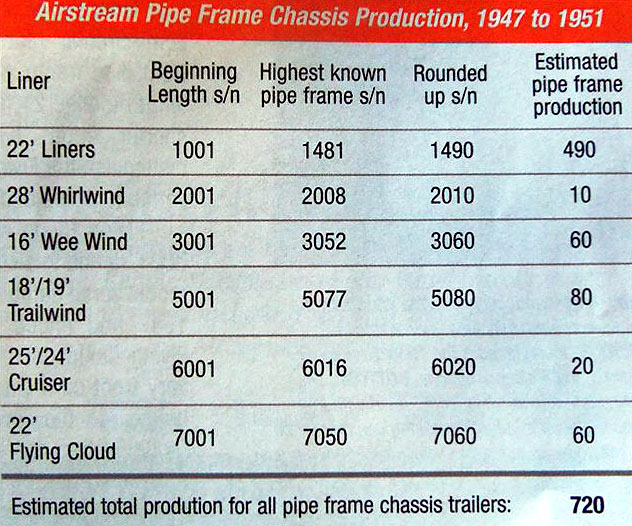
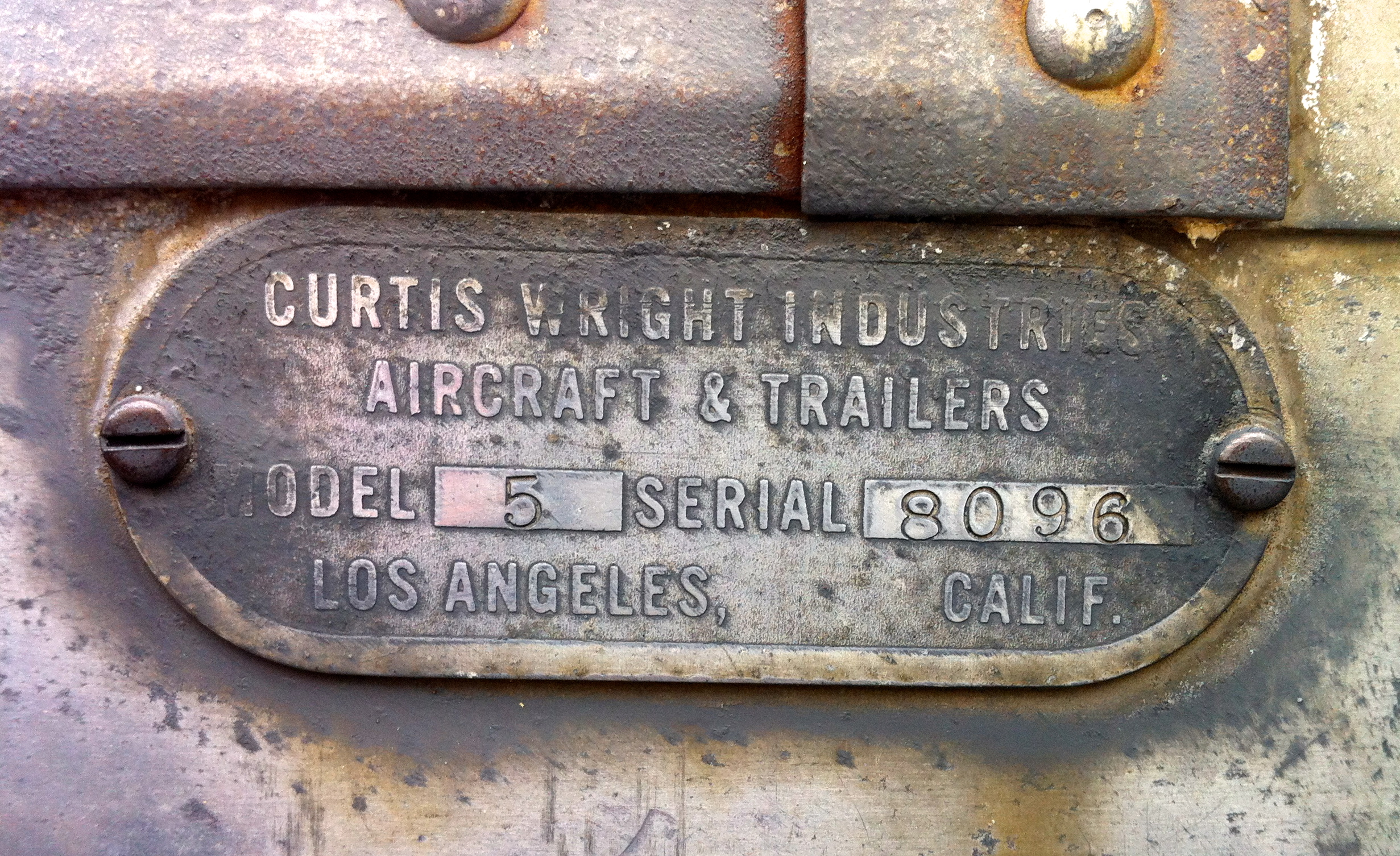 Bowlus went bust in 1936 and Byam bought some of the equipment along with rehiring a handful of his workers. The consummate salesman, Byam started selling a carbon copy of the Bowlus Chief. The key difference was the Airstream had its door on the side instead of the front. Byam also rebranded his caravan as the Clipper and began sporting his signature beret. Soon thereafter, America entered World War II and Airstream went dormant due the lack of raw materials.
During the war, Byam was hired by trailer builder Curtis Wright Manufacturing, not to be confused with Curtiss-Wright Aircraft Company, one of the largest World War II-era airplane manufacturers. After the war, Wright and Byam continued production of the Clipper travel trailer until 1947. The CW5 is one of the few travel trailers of its kind ever produced, much less still in existence today. As a result, it’s collector value is simply priceless.
In 1948, Byam left Wright to resurrect his Airstream Company and located it at Los Angeles Metropolitan Airport, today it’s known as Van Nuys Airport.
In 1949, three partners bought Curtis Wright’s trailer manufacturing company and renamed its brand Silver Streak. They continued to build travel trailers in South El Monte, California until its demise in 1986.
 As the Baby Boom fuse was just getting lit, American magazines were flush with how-to instructions for things as simple as trousers and toys, to items as large as all-inclusive kit homes and drag-along travel trailers.
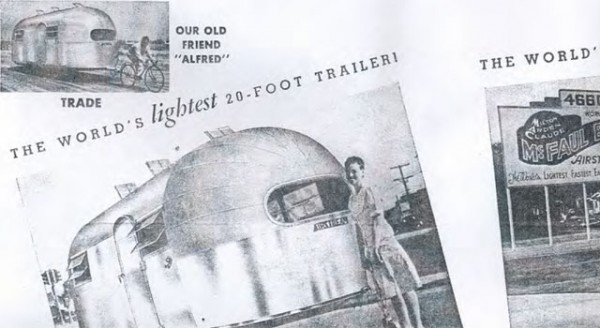
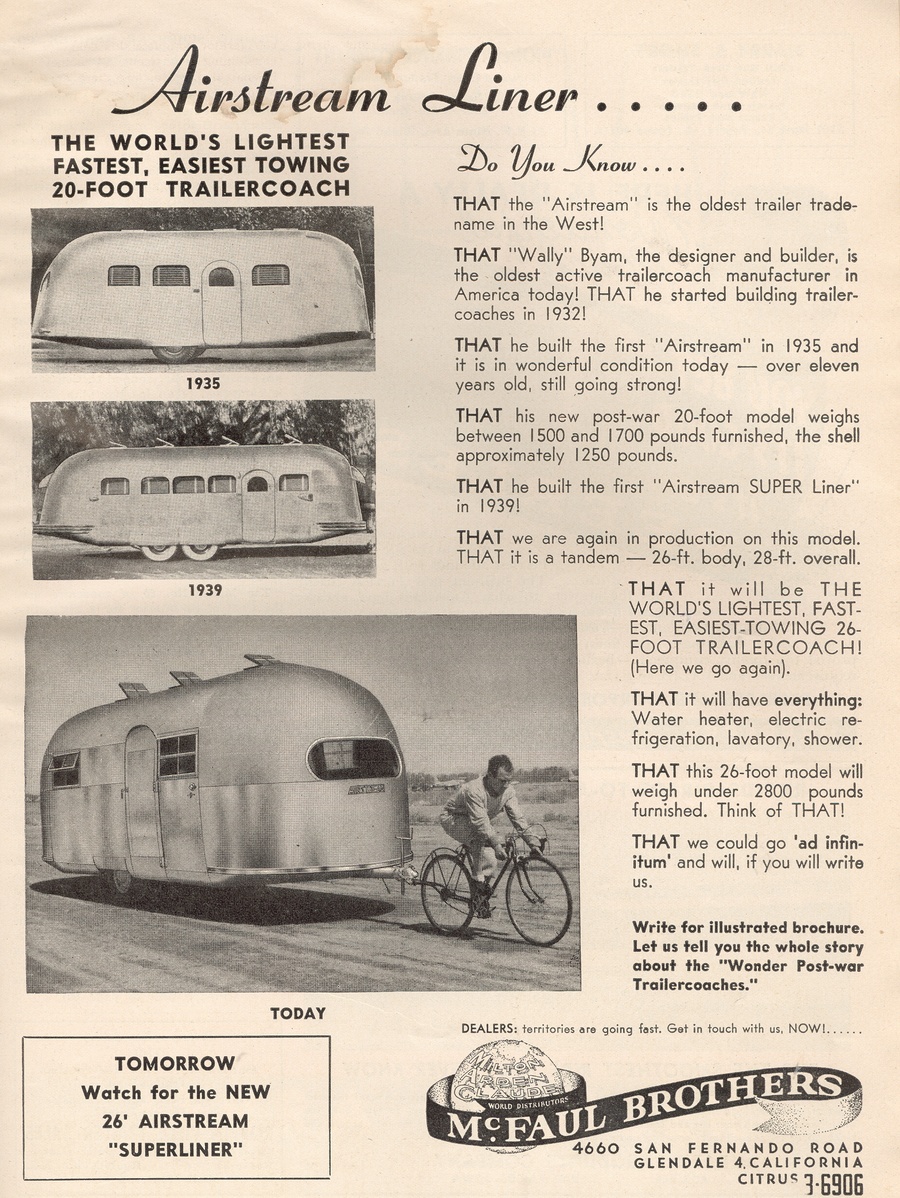
In a February 1947 Airstream magazine ad, Byam (forever the pitchman) created notoriety and American advertising history by proving that his travel trailer was so well-balanced and lightweight that it could be pulled by French bicyclist Jean Letourneau.
All of these shiny trailers, from the pre-WWII Clipper to the post-war Liner – reflect both Byam and Wright’s earliest efforts. While Wright’s brief chapter in trailer lore came to a close, Byam was about to rewrite the book on American automobile recreation. Byam’s Airstream’s Liners were soon being produced by the hundreds a year and available in seven different layouts, such as the Southwind Breeze, Chinook, Tradewind, Westwind, Zephyr and Sea Breeze.
Eighty years and more than 100,000 Airstreams later the rest is, as they say, history – a rich history filled with millions of family vacation memories. The CW5 is a fine example of this the fortitude and passion of these early pioneers. A peek into the past that will undoubtedly witness another 65 years of history to come.
(This 1947 Curtis Wright Model 5 is currently available for custom restoration. Contact Wally Hofmann for details at (805) 618-2461 x102, or click here to send an instant email).
